

Most local service pages miss the mark by ignoring what buyers really worry about. You’re losing leads because your page doesn’t answer their concerns or push them to act. This guide breaks down how to build a local service page that tackles objections head-on and drives immediate inquiries. Keep reading to learn how to turn visitors into booked jobs with strategies that work today. For more insights, visit this article.
Structuring Your Service Page
Creating a service page that truly connects with your audience starts with understanding their needs. Let’s dive into building a page that speaks directly to your potential customers.
Identify Buyer Concerns
Understanding what potential buyers worry about is crucial. To address these concerns, start by asking what problems your service solves. Consider pain points like cost, reliability, and quality of work. What guarantees can you offer that set you apart from competitors? By directly answering these questions, you can ease the buyer’s mind and build trust.
Use straightforward language to describe how your services meet these needs. For example, if you’re a plumber, explain how your emergency services work. Are you available 24/7? Will you arrive within an hour of a call? Specific details like these reassure potential clients that you’re ready and reliable.
Highlight Trust Signals
Trust signals are vital in convincing potential customers to choose your services. Showcasing certifications, customer testimonials, and case studies can help build credibility. Have you been in business for over a decade? Mention it. Include logos of any industry associations you’re part of, as these can further enhance your trustworthiness.
Don’t just say you’re trustworthy; prove it. Display online reviews or ratings prominently on your site. A strong Google Business Profile with positive reviews can significantly impact decision-making for prospective clients. Make sure these are easy to find and read.
Incorporate Effective CTAs
Your call-to-action should be clear## Structuring Your Service Page
Creating a local service page requires an approach that speaks directly to potential clients. Here’s the key insight: structure your page to address their concerns and build trust.
Identify Buyer Concerns
The first step in designing your service page is to pinpoint what potential customers worry about. Are they concerned about pricing, quality, or reliability? Address these head-on. For instance, if you’re designing a plumber service page, explain how your services solve their problems efficiently and reliably. This approach reassures visitors that you’ve got their needs covered.
Highlight Trust Signals
Trust is crucial in converting visitors into customers. Highlighting positive online reviews and showcasing certifications can bolster credibility. For example, featuring a customer testimonial or a badge from a trusted industry body can make a big difference. This not only builds trust but also shows that others have benefited from your services.
Incorporate Effective CTAs
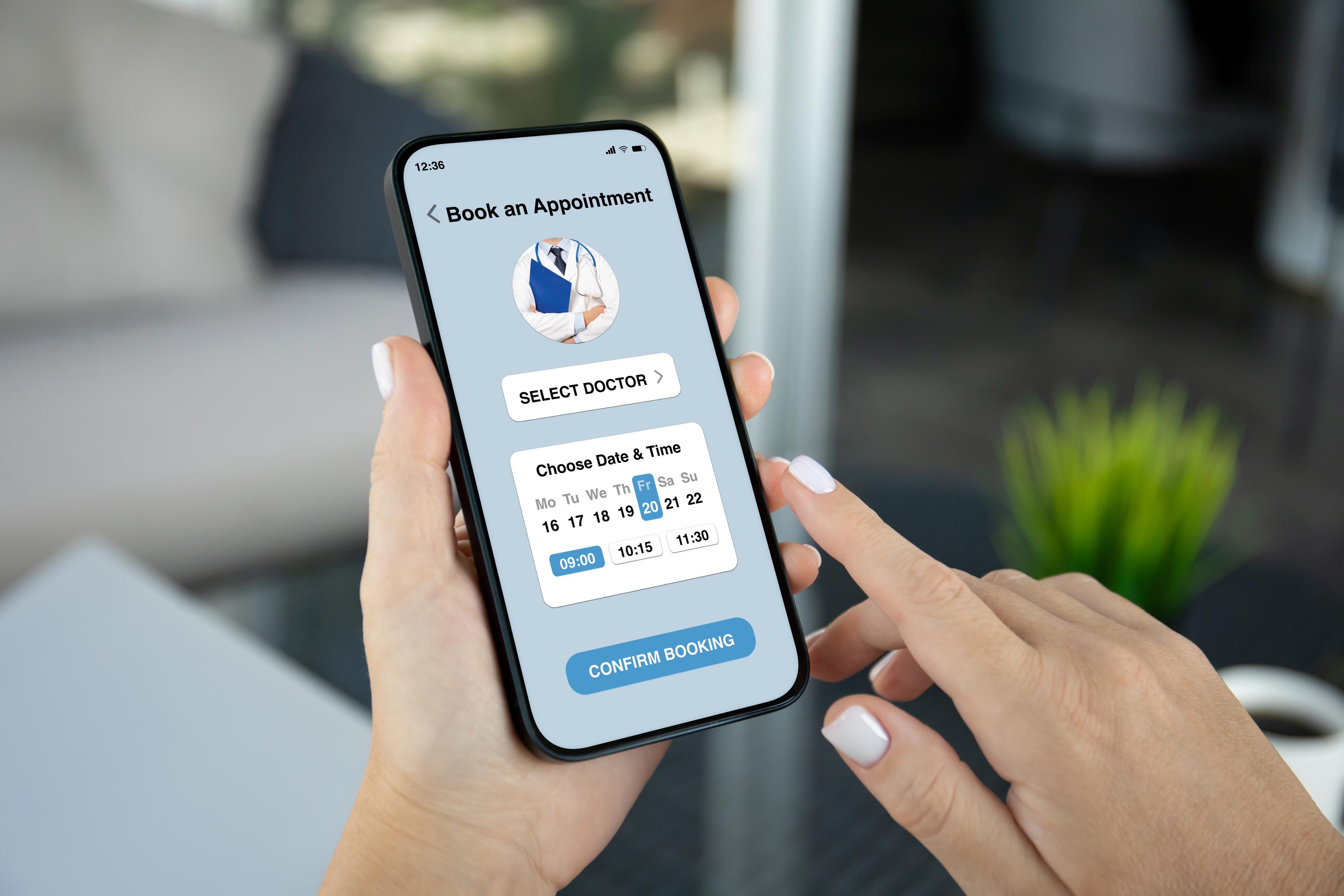
Your call to action should guide visitors toward taking the next step. Whether it’s scheduling a service or calling for a consultation, make it prominent and straightforward. Use action verbs and create a sense of urgency to encourage immediate responses. For example, “Schedule your HVAC tune-up today and stay cool all summer.”
Writing for Conversion
Now that your page structure is solid, focus on crafting content that converts. Here’s the key insight: write with clarity and purpose to drive action.
Crafting Persuasive Copy
Engage readers with compelling language that speaks to their needs. Use short, impactful sentences to keep their attention. If you’re writing for electrician marketing, describe how your services ensure safety and efficiency. By focusing on benefits, you make it easier for readers to see the value in choosing your services.
Addressing Customer FAQs
Addressing common questions upfront can ease potential buyers’ fears. Consider what customer FAQs might arise and provide concise, helpful answers. This not only informs but also reassures them that you understand their concerns and are ready to assist.
Implementing Pricing and Guarantees
Transparent pricing and clear guarantees can persuade hesitant buyers. If you’re promoting HVAC service page SEO, explain your pricing structure and what guarantees you offer. This openness builds trust and can often be the deciding factor for a potential client.
Optimizing for Local SEO

Optimizing your page for local search is essential. Here’s the key insight: ensure your business stands out in local searches.
Google Business Profile Tips
Optimizing your Google Business Profile can significantly boost local visibility. Ensure your profile is complete, accurate, and up to date. Include essential information like your business hours, contact details, and a compelling description to attract more local clients.
Mobile-First Web Design
With most users accessing sites via their phones, a mobile-first web design is crucial. Your site should load quickly and be easy to navigate on mobile devices. This improves user experience and can lead to higher conversions.
Online Reviews and Reputation Management
Positive reviews can enhance your reputation and attract more clients. Encourage satisfied customers to leave feedback. Managing your online reputation is vital, as potential clients often trust reviews and ratings when making decisions.
Frequently Asked Questions
What should be included on a local service page?
A local service page should include essential details like what services you offer, pricing, customer reviews, and contact information. It’s crucial to address potential customer concerns directly to increase trust and conversions.
How can I improve my local SEO for home services?
Improving local SEO involves optimizing your Google Business Profile, gathering positive online reviews, and ensuring your website is mobile-friendly. These steps increase your visibility in local searches.
Why is a mobile-first design important for service pages?
A mobile-first design ensures that your website is easily accessible on smartphones, which is how most people browse today. This accessibility leads to better user experiences and higher conversion rates.
How do I create an effective call-to-action on my service page?
An effective call-to-action should be clear, concise, and action-oriented. Use verbs that encourage immediate action, like “Call Now” or “Book Today,” and place them prominently on your page.
How can I manage my online reputation effectively?
Managing your online reputation involves regularly monitoring reviews and addressing negative feedback promptly. Encourage satisfied customers to leave positive reviews to boost your online presence.
Share this article

Written by : Paul Dumas
Follow us
A quick overview of the topics covered in this article.

