

Most local service pages miss the mark by leaving buyer doubts unanswered. That means lost calls, bookings, and quote requests every day. You’ll learn how to build a local service page that cuts through hesitation, boosts trust, and turns visitors into paying customers. Stick with me, and I’ll show you exactly what your page needs to start driving real results. For more insights on local landing pages, check out this source.
Structuring Your Local Service Page
Creating a powerful local service page is crucial for engaging potential customers and converting leads. This involves focusing on the right elements to alleviate buyer concerns and drive inquiries.
Key Elements to Include
To start, make sure your local service page contains clear, concise information about your services. Begin with a strong headline that captures attention. Include details like what you offer, the geographical areas covered, and any unique selling points. Add visuals to break up text and showcase your work. Highlight your expertise with specific examples. For instance, if you provide plumbing services, mention your experience in fixing common household issues. Use bullet points to summarize key benefits, making it easier for visitors to understand why they should choose you.
Optimizing for Local SEO
Local SEO plays a vital role in ensuring your page reaches the right audience. Begin by incorporating geographically relevant keywords throughout your content. This helps search engines connect your page to local searches. For example, use phrases like “plumbing services in Dallas” or “best landscaper near me.” Learn more about local SEO importance here. Ensure your NAP (Name, Address, Phone number) details are consistent across all platforms. This consistency boosts your credibility and helps search engines verify your business location.
Building Trust with Testimonials
Testimonials are powerful trust builders. Display honest reviews from satisfied customers prominently on your page. These reviews should highlight specific problems you solved and the results achieved. By sharing real stories, you help potential clients envision their own positive outcomes. Encourage previous clients to leave reviews on platforms like Google or Yelp. This not only enhances trust but also aids in improving your local search visibility.
Design and Functionality Tips
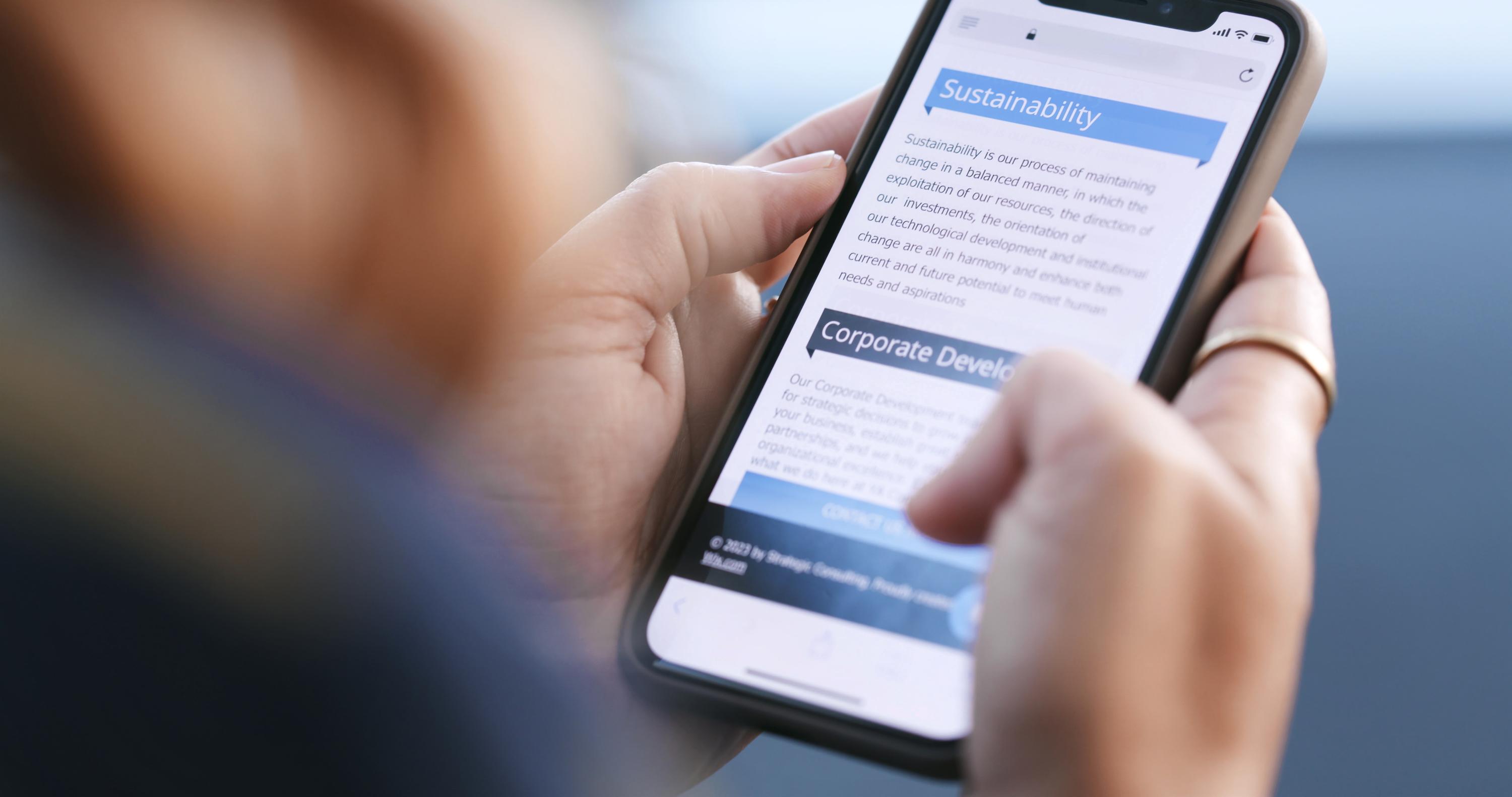
Effective page design is essential for a smooth user experience, which can significantly impact conversion rates. Let’s look at some design and functionality tips to enhance your local service page.
Effective Conversion Paths
A clear conversion path guides visitors toward taking action. Incorporate calls-to-action (CTAs) that stand out and are easy to find. For instance, include buttons for “Get a Quote” or “Schedule a Consultation” prominently. Make sure these buttons are placed at strategic points, such as after describing your services or showcasing testimonials.
Importance of Mobile-First Design
Mobile-first design ensures your page works seamlessly on all devices. Since many users browse on mobile, your page should be responsive and easy to navigate on smaller screens. Ensure text is readable without zooming, and buttons are large enough to tap easily. This enhances the overall user experience, reduces bounce rates, and increases conversion potential.
Enhancing Page Speed
Page speed is crucial for keeping visitors engaged. Slow-loading pages can cause potential customers to leave before exploring your services. Optimize images, use browser caching, and minimize code to improve loading times. Regularly test your page speed using tools like Google PageSpeed Insights. A fast page ensures a smoother experience and better search engine rankings.
Boosting Inquiries with Strategic Content

Creating content that answers common customer questions can significantly boost engagement and inquiries. Here’s how to make your content work harder for you.
Engaging with Local Keywords
Engage local audiences by using local keywords strategically. Incorporate these keywords naturally within your content to connect with users searching for services like yours. Focus on terms that potential customers might use when searching for services in their area, such as “reliable electrician in Austin” or “affordable HVAC repair near me.”
Using FAQ Schema to Address Concerns
Address common customer concerns with an FAQ section. Use schema markup to help search engines understand your content better. This can improve your chances of appearing in search results and provide quick answers to potential customers. Consider questions like “How soon can you arrive for emergencies?” and “What are your pricing options?”
Leveraging Google Business Profile Integration
Integrate your Google Business Profile with your page to enhance local SEO. This profile can appear in local search results and maps, making it easier for customers to find you. Keep your profile updated with correct contact details, business hours, and recent customer reviews. This integration boosts your visibility and provides more opportunities for potential clients to engage with your business. Learn more about creating effective local content here.
Frequently Asked Questions
What should be included on a local service page?
A local service page should include specific service offerings, geographical coverage, testimonials, and clear contact information. Make sure to include engaging visuals and strong calls-to-action to guide visitors.
How can I optimize my local service page for SEO?
Incorporate local keywords naturally within your content and ensure your NAP details are consistent across all platforms. Use schema markup for FAQs to enhance search visibility.
Why is mobile-first design important for my local service page?
With many users browsing on mobile, a mobile-first design ensures your page is easy to navigate on all devices. This improves user experience, decreases bounce rates, and increases conversions.
How do testimonials help build trust?
Testimonials showcase real customer experiences and solutions you’ve provided. They help potential clients visualize positive outcomes, building trust and credibility.
What role does page speed play in conversions?
Fast page loading times enhance user experience by reducing frustration, increasing the likelihood of visitors staying on your page, and improving your search engine rankings.
Share this article

Written by : Paul Dumas
Follow us
A quick overview of the topics covered in this article.


