

Most local SEO efforts focus on driving more traffic. But more clicks don’t always mean more customers ready to buy. If your site attracts visitors who just browse, you’re missing out on high-intent leads searching “near me” right now. I’ll show you how to shift your strategy toward buyer intent and win customers who are ready to act. Let’s get your local lead generation working harder for your business. Learn more about why local SEO is important for small business growth.
Focus on Buyer Intent
Turning clicks into customers starts with understanding what your visitors want. Buyer intent is about knowing when someone is ready to purchase rather than just surf.
Understanding Buyer Intent
Imagine a customer searching “best plumber near me” versus “plumbing tips.” The first searcher is likely ready to hire, while the second may just be exploring. Recognizing this difference is key. Attracting people ready to act requires focusing on search terms that indicate urgency. Common keywords like “local SEO” and “buyer intent” can help identify these potential customers. By prioritizing intent-focused strategies, you can reach more of the people who are ready to become clients.
The Power of Local SEO
Local SEO is a powerful tool for reaching these high-intent searchers. It connects your business with people actively seeking products or services in their vicinity. In fact, users searching “near me” are often looking for immediate solutions. Harnessing this power means your business shows up at the top of search results right when potential buyers need you. This way, you convert searchers into ready-to-act customers more effectively.
Targeting Ready-to-Act Customers
Targeting the right customers involves aligning your SEO efforts with the needs of those who are ready to buy. This means using keywords that reflect urgency and local relevance. When you tailor content to meet these criteria, you ensure that the people who find you are those who are most likely to convert. This approach not only increases visibility but also boosts the chances of turning leads into loyal customers.
Key Steps for Local SEO Success

Implementing effective local SEO strategies is crucial for driving results. Here’s how you can optimize your efforts to attract high-intent leads.
Optimize Google Business Profile
Your Google Business Profile (GBP) is a vital asset in local SEO. It’s where potential customers first see your business. Ensure it’s complete with up-to-date information like business hours and contact details. Add high-quality images to make your profile stand out. Regularly update posts to keep your audience engaged. A well-maintained profile attracts more visitors and gives them confidence in your business.
Strategic Use of Local Keywords
Using local keywords effectively is like having a spotlight on your business. Incorporate terms that specify your location and services. For instance, “DFW local SEO” or “Lewisville marketing” can help narrow searches to your target area. Make sure these keywords appear naturally within your content. They help ensure you connect with local customers who are ready to make a purchase.
Conversion Rate Optimization Techniques
Once visitors arrive, your site must convert them. Focus on improving landing pages with clear calls to action. Simplify navigation to make it easy for users to find what they need. Use A/B testing to determine which elements work best. By optimizing your site, you increase the likelihood that visitors will take the desired action, such as making a purchase or scheduling a service.
Enhancing Local Lead Generation
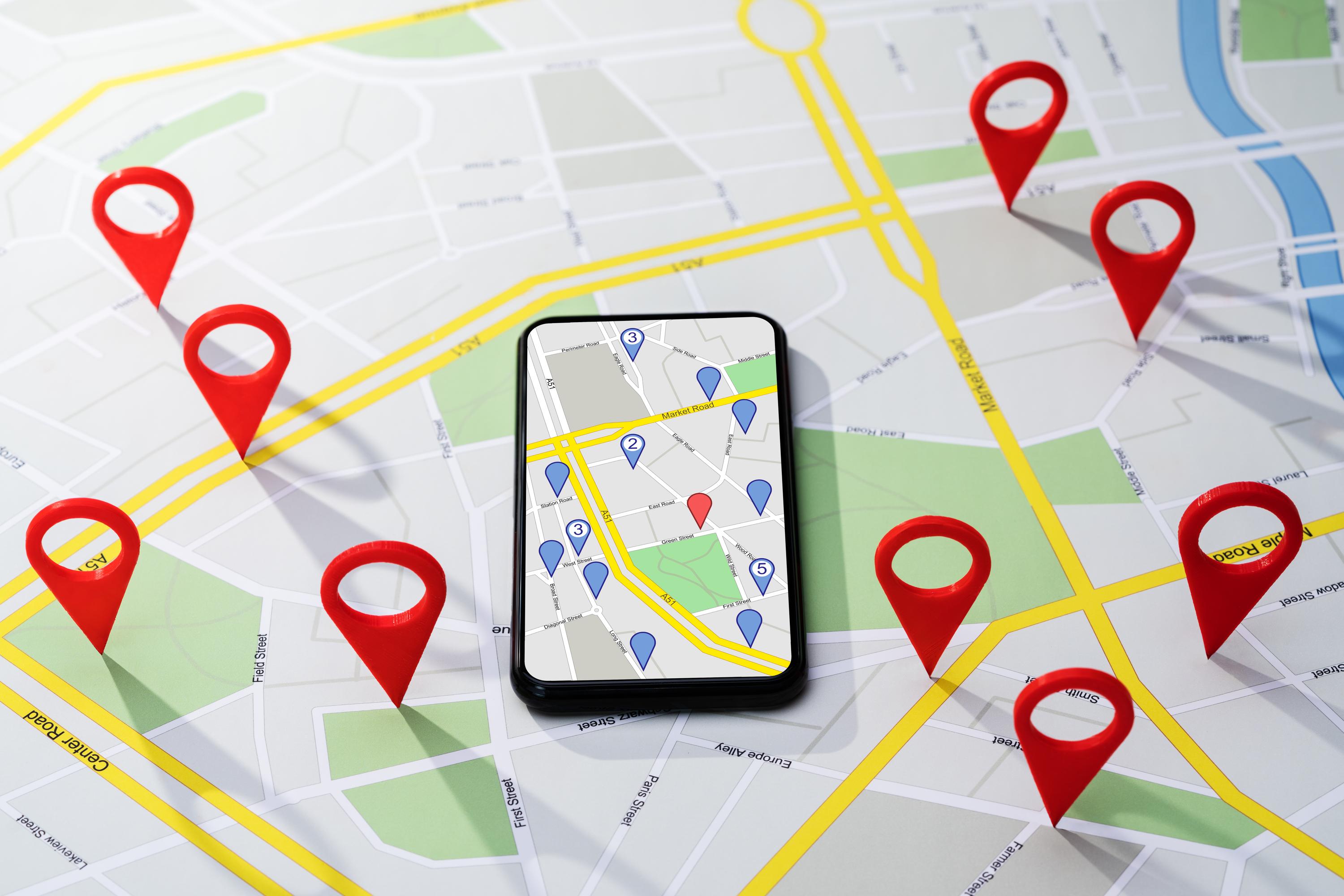
To build a robust local lead generation system, focus on tools and techniques that drive results.
Effective Call Tracking and Analytics
Call tracking helps you understand how customers find you. Use analytics to see which channels bring in the most calls. This data tells you where to focus your marketing efforts. When you know what’s working, you can allocate resources more effectively, boosting your return on investment.
Reputation Management Strategies
Your online reputation affects potential customers’ decisions. Encourage satisfied clients to leave positive reviews. Respond promptly to feedback, whether it’s positive or negative. Maintaining a good reputation increases trust and can turn curious visitors into customers.
Boosting Local Search Rankings
Improving your local search rankings ensures more people find you. Regularly update your site with fresh content and local news. Engage with customers through social media to increase your visibility. Use backlinks from reputable local sites, as these improve credibility and ranking. These tactics enhance your presence and attract more ready-to-act buyers.
Frequently Asked Questions
What is buyer intent?
Buyer intent refers to the likelihood of a user purchasing based on their online search behavior. For example, someone searching “buy HVAC service” shows higher intent than someone searching “how HVAC works.”
How does local SEO benefit small businesses?
Local SEO connects businesses with nearby customers ready to buy. By optimizing for local searches, businesses can appear in front of potential buyers exactly when they’re needed.
Why focus on Google Business Profile?
A well-optimized Google Business Profile enhances visibility in local searches. It provides essential business information and can influence a customer’s decision to engage with your business.
What are conversion rate optimization techniques?
These techniques involve improving your website to increase the percentage of visitors who take a desired action, such as making a purchase or booking a service. This includes simplifying navigation and testing various site elements.
How can reputation management affect local lead generation?
Maintaining a positive online reputation can significantly impact customer perceptions. Encouraging positive reviews and addressing feedback promptly helps build trust and can turn potential leads into loyal customers.
Share this article

Written by : Paul Dumas
Follow us
A quick overview of the topics covered in this article.

