
Building a Local Marketing Funnel: Your Path to Steady Customer Conversion
Most local businesses see leads trickle in—and then fade away before they become customers. You’re not alone if turning local interest into steady sales feels like a puzzle with missing pieces. Building a local marketing funnel that consistently converts leads into paying customers is the key to breaking that cycle. Let me show you how Optimized Marketing Group’s proven growth strategies make that possible. Schedule a consultation with us today to start seeing real results! [https://socialfirm.com/blog/how-to-build-a-high-converting-digital-funnel/]
Crafting Your Local Marketing Funnel
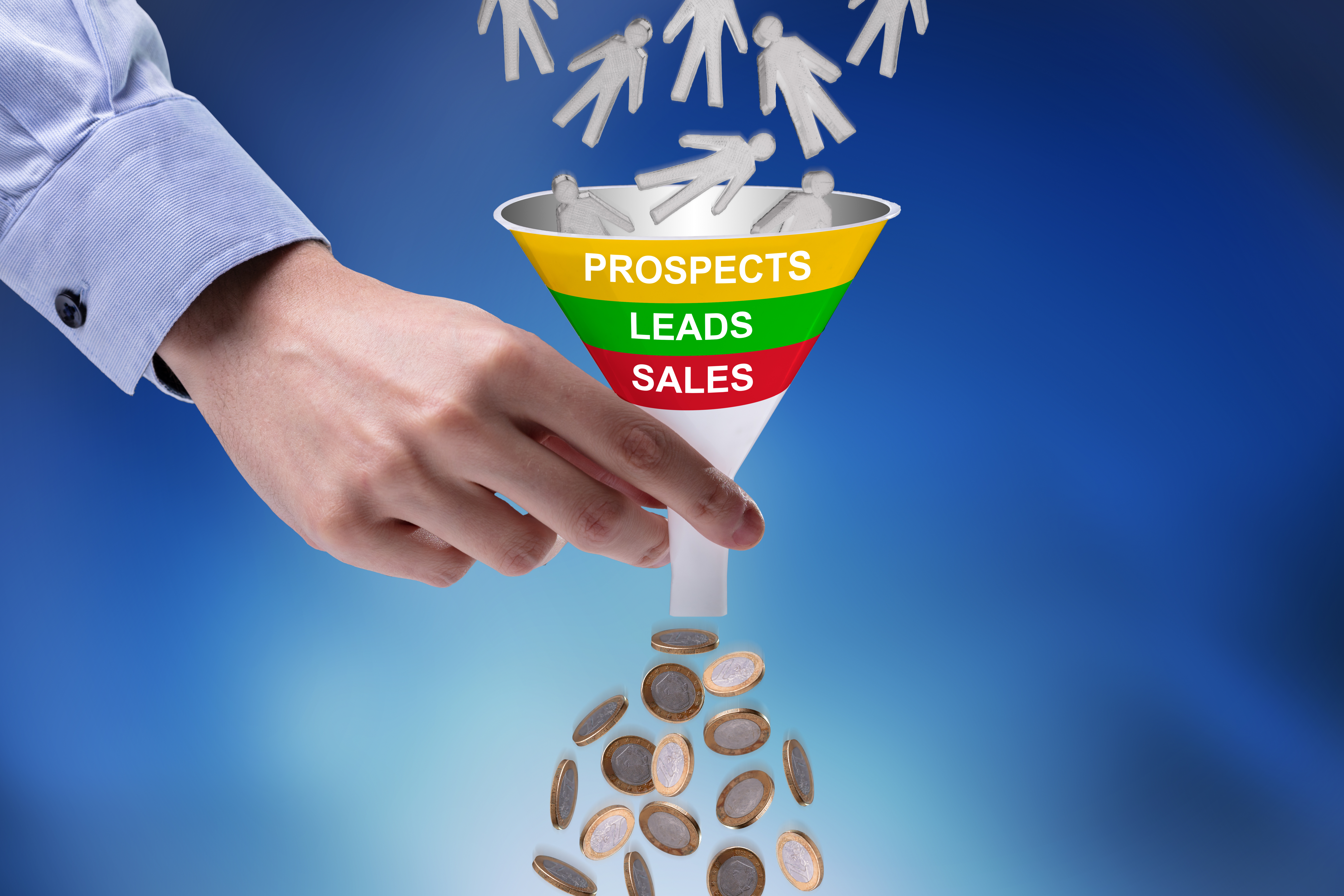
Building a marketing funnel for your local business is like piecing together a puzzle. Each part plays a crucial role in guiding potential customers. Let’s explore the elements that make up a successful funnel.
Identifying Your Target Audience
Understanding who your customers are is the first step in crafting an effective funnel. Begin by identifying the specific demographics you want to attract. Are they homeowners looking for residential cleaning services or local diners searching for a new favorite restaurant? Knowing this helps tailor your marketing efforts.
Create customer personas to deepen your understanding. These personas represent your ideal clients, detailing their interests, challenges, and needs. For example, a typical persona might be “John, a busy homeowner looking for a reliable HVAC service.” With personas, you can craft messages that speak directly to your audience’s interests and pain points.
Conduct surveys or interviews with current customers to refine these personas. This direct feedback can reveal insights you might not have considered. By knowing your audience well, you can create a local marketing funnel that effectively converts leads into loyal customers.
Creating Engaging Content
Once you know your audience, the next step is to create content that grabs their attention. Engaging content is the bridge between you and your potential customers. It helps build trust and establishes your brand as an authority in your niche.
Start with informative blog posts that address common questions or challenges your audience faces. If you’re targeting homeowners, content on “maintaining energy efficiency” could be a valuable resource. Use engaging visuals and simple explanations to make your content more digestible.
Don’t forget about videos and infographics. These formats can simplify complex topics and make them more engaging. For example, a quick video tutorial on “three easy HVAC maintenance tips” can be very effective. Engaging content keeps your audience interested and guides them further down the funnel.
Mapping the Customer Journey
With engaging content in place, map out the journey your customers take from first contact to purchase. Understanding this journey helps you optimize each stage of your funnel for better conversion.
Start by documenting each touchpoint a customer might have with your business. This could be a local search that leads them to your website, a social media post, or an online review. Each interaction should guide them smoothly toward making a purchase decision.
Identify potential roadblocks in this journey. Are there points where customers typically drop off? Use analytics tools to track user behavior on your website. This data can reveal areas needing improvement, ensuring a seamless path to conversion. By optimizing the customer journey, you increase the chances of turning leads into paying customers.
Strategies for Effective Lead Conversion
Converting leads into customers requires more than just a funnel. It involves strategies that ensure every part of your funnel works efficiently. Let’s explore two key strategies.
Leveraging SEO and Social Media
SEO and social media are powerful tools in your conversion strategy. They increase visibility and engagement, bringing more potential customers into your funnel.
Start by optimizing your website for local SEO. Use keywords that reflect the services you offer and the areas you serve. For instance, “Dallas HVAC repair” is a targeted keyword that can boost your local search rankings. Pair this with a strong presence on social media platforms where your audience hangs out. Share useful tips, customer testimonials, and updates to keep them engaged.
Engagement is key on social media. Respond promptly to comments and messages. This interaction builds trust and encourages potential customers to take the next step with you. By using SEO and social media effectively, you draw more leads into your funnel and nurture them toward conversion.
Building Trust with Reputation Management
Trust is the currency of conversion. Prospective customers need to trust your business before they commit. Effective reputation management ensures your business is seen as reliable and credible.
Encourage satisfied customers to leave reviews on platforms like Google and Yelp. These testimonials act as social proof, showing potential customers that you deliver on your promises. Respond to reviews, both positive and negative, to show you value customer feedback.
Maintain a consistent brand voice across all platforms. Whether through your website, social media, or customer interactions, consistency builds familiarity and trust. With a strong reputation, you’ll find that converting leads into customers becomes much easier.
Enhancing Customer Acquisition

To boost customer acquisition, integrate targeted marketing tactics into your funnel. This approach ensures you’re reaching the right people with the right message.
Implementing Targeted Ad Campaigns
Targeted ad campaigns place your message in front of potential customers actively searching for your services. This strategy enhances your funnel by bringing in more qualified leads.
Begin by identifying key platforms where your audience spends time. Google Ads can be highly effective for local searches, while Facebook ads allow for detailed targeting based on interests and behaviors. Craft ads that speak directly to your audience’s needs and preferences.
Use clear calls-to-action to guide potential customers. Whether it’s “schedule a consultation” or “get a free quote,” make it easy for them to take the next step. With targeted ads, you can enhance your customer acquisition efforts and maximize the effectiveness of your funnel.
Measuring Funnel Success and Adjustments
To ensure your funnel remains effective, regular evaluation is essential. Measuring success lets you identify what works and what needs improvement.
Track key metrics like conversion rates, click-through rates, and return on investment. A tool like Google Analytics can provide valuable insights into how users interact with your funnel. Use this data to tweak your strategies and improve performance.
Don’t be afraid to experiment with different tactics. A/B testing can reveal which elements resonate more with your audience. By continually measuring and adjusting, you ensure your funnel remains a powerful tool for customer acquisition.
In conclusion, creating a local marketing funnel is an investment in steady growth. By understanding your audience, crafting engaging content, and implementing targeted strategies, you set the stage for success. While the path may require adjustments, the potential for increased leads and conversions is well worth the effort.
Share this article

Written by : Paul Dumas
Follow us
A quick overview of the topics covered in this article.


